


How the Cost of Gold in Nepal Is Calculated and How to Read a Gold Price Quote
Introduction
Buying gold in Nepal is a big moment. It may be for a wedding, a festival like Dashain or Tihar, a gift,or a long-term saving. Yet many buyers feel unsure when they see a price list. Why does the shop’s final bill look higher than the rate in the newspaper? What does “per tola” really mean? And what areall those extra charges?
This guide answers these questions in plain language. By the end, you will know how the cost of gold in Nepal is built, how to read a gold price quote line by line, and how to check a bill with confidence.
In this guide:
- Who sets the gold price in Nepal
- The main factors behind the daily rate
- Units and purity: tola, gram, 24K and 22K
- How to calculate the total cost of gold jewellery
- How to read a gold price quote
- Practical tips before you buy
- Frequently asked question
1. Who Sets the Gold Price in Nepal?
Gold is not mined in any meaningful amount in Nepal. It is imported, so the local price follows the international gold market. In Nepal, the daily reference rate is announced by the Federation of Nepal Gold and Silver Dealers’ Association (FENEGOSIDA). Most jewellers use this announced rate as their starting point.
The rate can change once or more in a day. That is why two shops may show slightly different numbers at different hours. Always ask which rate and which time the quote is based on.
2. What Decides the Daily Gold Rate in Nepal?
The price you see is not random. Several factors work together.
2.1 The International Gold Price
Globally, gold is priced in US dollars per troy ounce (about 31.1 grams). When the world price goes up, the Nepali price usually follows.
2.2 The US Dollar to Nepali Rupee Exchange Rate
Since gold is bought in dollars, a stronger dollar makes imported gold costlier in rupees, even if the world price stays the same.
2.3 Import Costs and Duties
Imported gold carries customs duty, transport, insurance and other handling costs. These are added before the gold reaches the local market. Rules and rates can change with government policy, so it is wise to check the latest official information.
2.4 Local Demand and Supply
Demand rises in wedding seasons and festivals. Higher demand can push the local price up, even when global movement is small.
2.5 Economic Mood and Safe-Haven Buying
When markets feel uncertain, many people turn to gold as a safe asset. This extra buying can lift prices worldwide, and Nepal feels the effect too.
3. Understanding Units and Purity
Before reading any quote, you need to know two things: how gold is measured and how pure it is.
3.1 Tola, Gram and Aana
Nepal’s gold market commonly uses the traditional tola.
| Unit | Equivalent |
| 1 tola | About 11.664 grams |
| 1 tola | 10 aana (the dealer’s smaller unit) |
| 1 aana | About 1.166 grams |
| 10 grams | Often shown as a second quote for easy comparison |
Rate lists usually show the price per tola and sometimes per 10 grams. Always check which one you
are looking at.
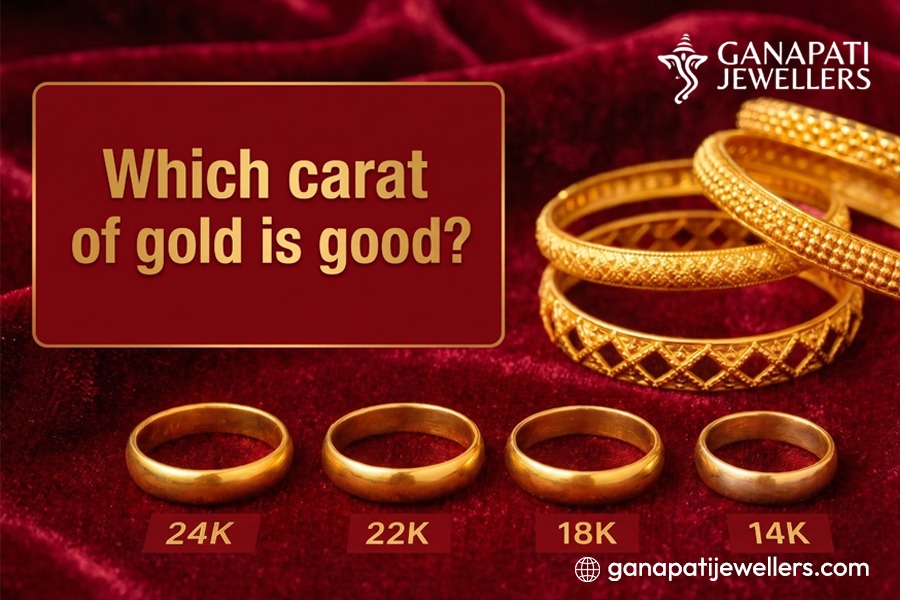
3.2 Purity: 24K, 22K and 18K
Purity is measured in karats (K)
| Karat | Gold content | Typical use |
| 24K | About 99.9% pure | Bars, coins, investment (called chhapawal in the local market) |
| 22K | About 91.6% pure | Most jewellery |
| 18K | About 75% pure | Light or stone-studded jewellery |
Pure 24K gold is soft, so jewellery is usually made with a mix of metals for strength. A lower karat means less actual gold per gram, so the rate should be lower too.
4. How the Total Cost of Gold Jewellery Is Calculated
The final bill has several parts. Here is the simple formula:
Total cost = Gold value + Making charge + Wastage (if charged) + Stone or other material
cost + VAT (where applicable)
4.1 Gold Value
This is the weight of the ornament multiplied by the rate for its purity.
Gold value = Weight × Rate per unit (for that purity)
4.2 Making Charge (Jyala)
This is the fee for the craftsman’s work and design. Shops may charge it:
- as a fixed amount per tola or per gram.
- as a percentage of the gold value, or
Simple designs usually cost less. Detailed or handmade designs cost more.
4.3 Wastage
While shaping jewellery, a small amount of gold is lost. Some shops include this in the making charge, while others show it separately. Ask clearly so you are not charged twice.
4.4 Stones and Other Materials
Diamonds, pearls, coloured stones and similar items are priced separately. Their weight is not counted as gold weight, so check that the gold weight on the bill excludes them.
4.5 Taxes
VAT is commonly applied in Nepal, and how it is applied (on the full amount or only on certain parts)
can depend on the item and current rules. Ask the shop to show the VAT line on the bill.
4.6 A Worked Example
This example uses illustrative numbers only. It is not today’s rate.
| Step | Detail | Amount (NPR) |
| Assumed 24K rate | Per tola | 200,000 |
| 22K rate (about 91.6%) | Per tola | 183,200 |
| Ornament weight | 2 tola, 22K | |
| Gold value | 2 × 183,200 | 366,400 |
| Making charge | 8% of gold value | 29,312 |
| VAT (example: 13% on making charge) | 3,811 | |
| Estimated total | 399,523 |
In real life, the shop’s method may differ. The goal of this example is to show you the logic, so you can compare any bill against it.
5. How to Read a Gold Price Quote
A typical quote or rate board may look like this:
Fine gold (Chhapawal / 24K): NPR X per tola
Tejabi gold: NPR Y per tola
Silver: NPR Z per tola
Here is what to check, step by step.
Step 1: Check the Date and Time
Rates can change during the day. A quote from the morning may not match the evening rate.
Step 2: Check the Unit
Is the price per tola, per 10 grams or per gram? Mixing these up is the most common mistake. A per-tola price looks much bigger than a per-gram price, but they can be the same value.
Step 3: Check the Purity
Fine gold (24K) is priced higher than jewellery gold (22K). Make sure the rate matches the purity of what you are buying.
Step 4: Separate the Rate from the Charges
The board rate covers the gold only. Making charges, wastage, stones and tax come on top.
Step 5: Ask for an Itemised Bill
A trustworthy shop will list each part: weight, rate, making charge, stones, tax and total. If anything is unclear, ask politely. A good jeweller will be happy to explain.
Quick Checklist for Reading Any Quote
- Date and time of the rate
- Unit (tola, gram or 10 grams)
- Purity (24K, 22K or 18K)
- Making charge method (percentage or fixed)
- Wastage included or separate
- Stone weight excluded from gold weight
- Tax shown clearly
6. Practical Tips Before You Buy Gold in Nepal
- Compare more than one shop. Making charges differ a lot, even when the gold rate is the same.
- Look for hallmarking. A hallmark gives confidence about purity. Ask about the purity certificate for bars and coins.
- Keep your bill. It supports resale, exchange and any future check.
- Understand the buy-back and exchange policy. Ask how much is deducted for making charges and wastage when you sell or exchange old jewellery.
- Use a trusted, registered jeweller. Reputation matters more than a small discount.
- Buy coins or bars if you want to invest. They usually have lower making charges than ornaments.
- Do not rush. Festival offers can look attractive, but read every line first.
7. Frequently Asked Questions
Why is the gold price in Nepal different from the price in India or other countries?
Each country has its own duties, taxes, exchange rate and local demand. These differences change the final price in local currency.
What is the difference between chhapawal and tejabi gold?
Chhapawal usually refers to fine, hallmarked 24K gold, often in bar or coin form. Tejabi is a term used for gold in the local market that is commonly priced slightly lower. Ask your jeweller to explain exactly how they use these terms and what purity each one means.
How many grams are in one tola?
One tola is about 11.664 grams.
Why is my final bill higher than the rate I saw online?
The published rate is for gold only. Your bill also includes making charges, possible wastage, stones and tax.
Is 22K gold or 24K gold better for jewellery?
22K is more common for jewellery because it is stronger. 24K is better for coins and bars because it is purer, but it is too soft for most designs.
Can the gold price change within a day?
Yes. The rate can be updated when the international price or the exchange rate moves.
Do I get the making charge back when I sell?
Usually not in full. Most shops deduct some value for making charges and wastage when buying back old jewellery. Ask about the policy before you buy.
How can I check today’s gold price in Nepal?
Check the latest announcement from FENEGOSIDA or a reliable Nepali news or rate website, and confirm with your jeweller before you buy.
Conclusion
The cost of gold in Nepal is not a single number. It is a clear chain: the international price, the exchange rate, import duties and local demand, then at the shop, purity, weight, making charges, wastage, stones and tax. Once you understand each link, a gold price quote becomes easy to read, and you can compare shops fairly.
Before your next purchase, remember the three golden checks: the unit, the purity and the itemised bill. With these, you can buy with confidence.
Disclaimer: This article is for general information only. Rates, duties and tax rules change often. Always confirm the latest rate and rules with an official source or a registered jeweller before buying or selling gold. This is not financial advice.


